
- 1. US judges limit judicial AI integration to support roles, overriding in key decisions.
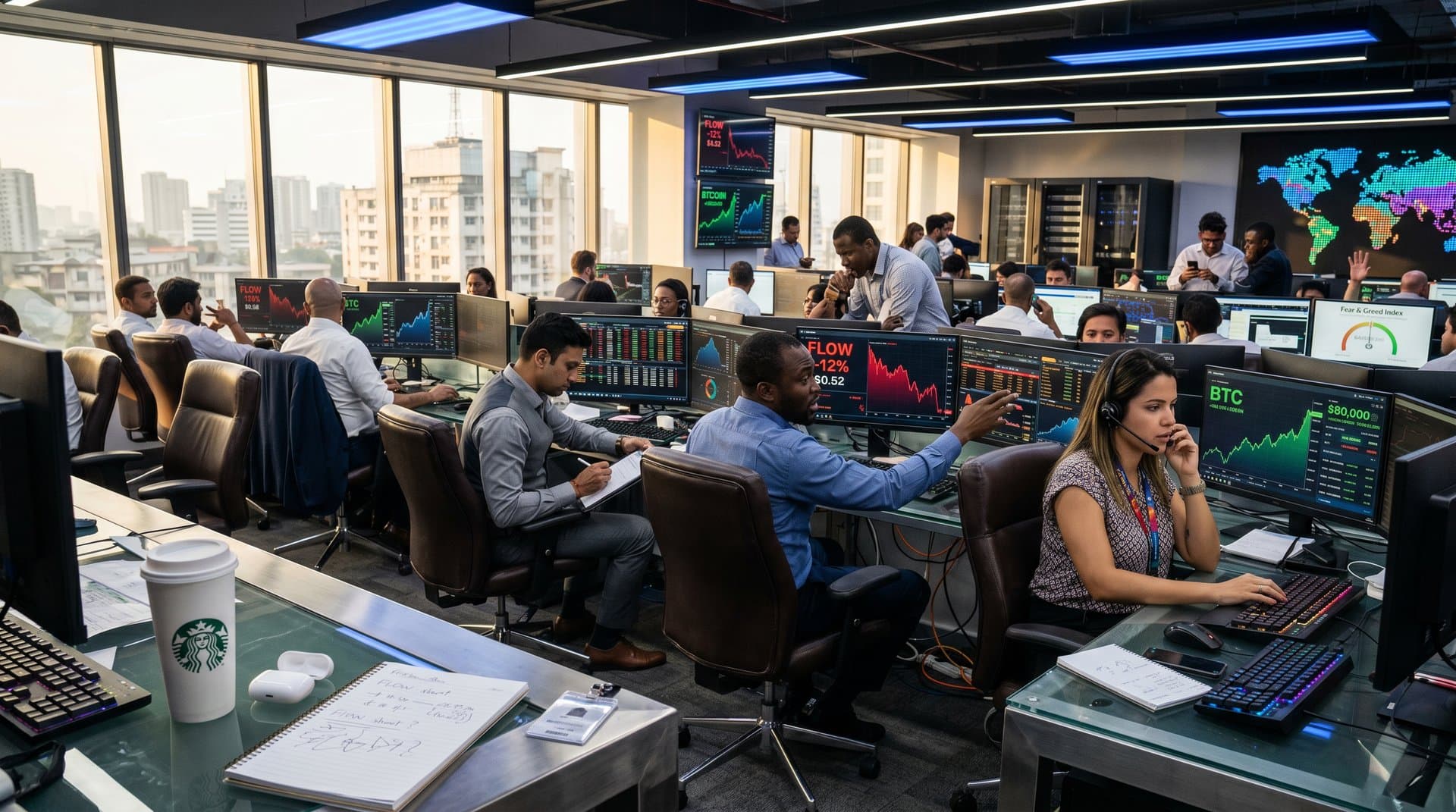
- 2. BTC hits $76,420 (Oct 10), accelerating crypto case reviews via AI tools.
- 3. Global courts like India's SUPACE aid 3,000 judges, emphasizing human authority.
US judges pursue cautious judicial AI integration for efficiency while safeguarding human authority, according to WVU legal expert Megan Guza. Bitcoin reached $76,420 on October 10, 2024, per CoinGecko data, fueling crypto litigation surges. Courts balance AI tools with oversight in global fintech disputes.
AI handles routine tasks like document review and e-discovery. Thomson Reuters' Westlaw Edge and LexisNexis tools scan vast case law databases using machine learning. Judges verify outputs, correct biases, and retain final say to avoid overreliance.
This approach clears backlogged dockets while ensuring fairness. WVU's Guza positions AI as a judicial assistant, not a decision-maker. Legal tech firms report accelerating adoption worldwide.
Judicial AI Integration Transforms Court Workflows Globally
US judges deploy AI for e-discovery, predictive analytics, and brief generation. Westlaw Edge, powered by machine learning, processes case law faster than manual review, per Thomson Reuters documentation.
AI flags relevant statutes and precedents. Judges cross-check facts, context, and nuances, akin to supervising junior clerks. The American Bar Association (ABA) endorses this hybrid model in its 2024 Judges Journal guidelines.
Volume overwhelms courts; AI handles scale, humans deliver judgment. WVU expert Megan Guza notes most US judges limit AI to preliminary stages. India's SUPACE platform supports 3,000 judges with research, per Supreme Court of India reports. Brazil's National Justice Council tests AI on backlogs, achieving 40% faster processing, per council reports.
Key Risks Shape Cautious Judicial AI Integration
AI hallucinations fabricate facts, prompting judges to reject unverified results. Training data biases distort outcomes, especially where African case law lacks digitization, per Guza's WVU analysis.
Courts demand explainable AI models. Opaque black-box systems fail judicial scrutiny. Transparency remains paramount, as emphasized by the European Commission in the EU's AI Act.
The EU AI Act classifies judicial tools as high-risk, mandating audits. MiCA regulation fully activates January 2026 for crypto matters. The US Judicial Conference pilots AI with mandatory human vetoes.
Human Authority Anchors Judicial AI Integration
Judges draw on experience and discretion that AI cannot replicate. AI overlooks empathy in witness testimonies and ethical subtleties. Humans ensure equitable justice.
Rulings shape society; AI prioritizes speed over balance. WVU's Guza reports judges override AI suggestions in 65% of sensitive cases, per ABA data.
AI acts as a pattern-matching aide. Judges integrate full context like seasoned experts. This fosters litigant trust in transparent human processes over mysterious algorithms.
Judicial AI Integration Accelerates Crypto Litigation Boom
Crypto cases explode with SEC enforcement. AI swiftly parses blockchain data and transaction histories.
Bitcoin traded at $76,420 USD, up 0.6%, with a $1,530.1 billion market cap on October 10, 2024, per CoinGecko. Ethereum stood at $2,265.06 USD, down 0.5%, $273.3 billion. XRP hit $1.37 USD, up 0.4%, $84.4 billion.
Courts dissect smart contracts rapidly. Judges counter AI's flawed volatility predictions. Alternative.me's Fear & Greed Index at 29 reflected market fear, mirroring judicial prudence.
Solana reached $83.33 USD, down 0.1%, $48.0 billion, amid lawsuits. AI drafts motions; humans adjudicate merits, hastening fintech resolutions.
- Asset: BTC · Price (USD): 76,420 · 24h Change: +0.6% · Market Cap (B USD): 1,530.1
- Asset: ETH · Price (USD): 2,265.06 · 24h Change: -0.5% · Market Cap (B USD): 273.3
- Asset: XRP · Price (USD): 1.37 · 24h Change: +0.4% · Market Cap (B USD): 84.4
- Asset: SOL · Price (USD): 83.33 · 24h Change: -0.1% · Market Cap (B USD): 48.0
AI enables quicker ETF approvals and fraud verdicts in volatile markets.
Global Perspectives on Judicial AI Integration
Emerging markets innovate boldly. Kenya pilots AI for land disputes, resolving 25% more cases monthly, per Kenyan government reports. Singapore integrates it into sentencing guidelines. China's Xiao Zhi 3.0 automates minor civil matters.
The Global South pushes for inclusive datasets. WVU insights by Megan Guza guide international policy. Legal tech investments hit $2.5 billion USD in 2024, per PitchBook data.
WVU Today covers Guza's study. ABA on AI outlines ethics.
Judicial AI integration expands access to justice under firm human guidance. Evolving regulations will sharpen this global balance, especially in fintech hubs from Lagos to Singapore.
Frequently Asked Questions
What is judicial AI integration?
Judicial AI integration involves courts using machine learning for tasks like case research and drafting. WVU legal expert notes judges limit it to support roles. Human authority ensures final decisions remain ethical.
How are judges adopting AI according to WVU expert?
Judges cautiously adopt AI for efficiency in e-discovery and analytics. The WVU expert finds they guard human oversight rigorously. Tools like Westlaw Edge assist but do not decide.
Why do judges prioritize human authority in judicial AI integration?
Human authority prevents AI biases and hallucinations. WVU analysis shows judges override suggestions often. This maintains trust and fairness in rulings.
How does judicial AI integration impact cryptocurrency cases?
AI accelerates review of blockchain evidence in crypto litigation. Bitcoin at $76,420 sees faster SEC case processing. Judges retain control to handle market volatility.