
- 1. Duane Morris maps U.S. crypto kiosk regulations from NY's BitLicense to TX's permissive rules.
- 2. Strict rules limit unbanked access; permissive states aid rural and minority crypto entry.
- 3. BTC at $77,072 spurs demand amid Index 26, with global models influencing U.S. policy.
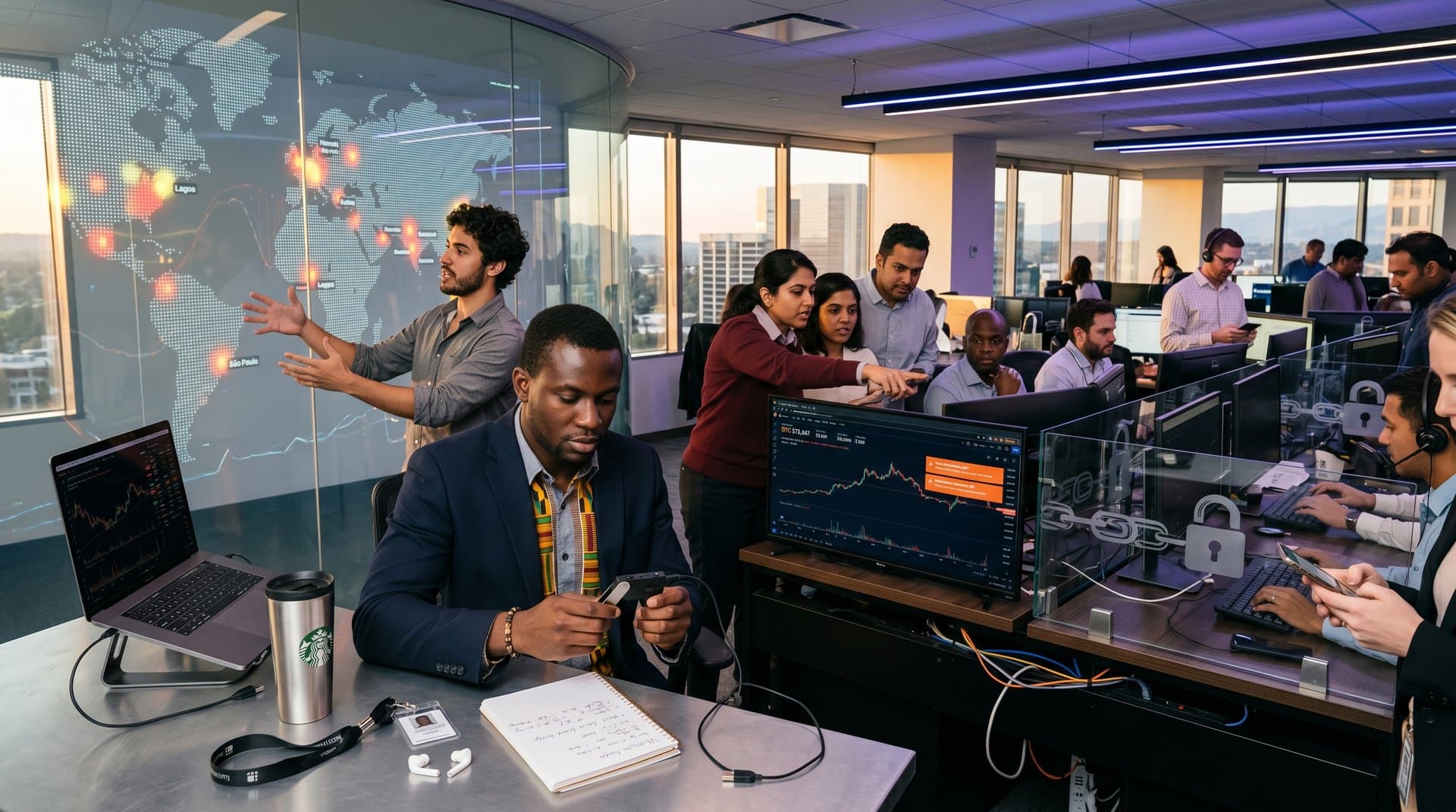
Duane Morris Government Strategies maps crypto kiosk regulations across U.S. states. Bitcoin ATMs enable cash-to-crypto buys for unbanked users. BTC trades at $77,072 (CoinGecko, Oct. 9, 2024). Fear & Greed Index hits 26.
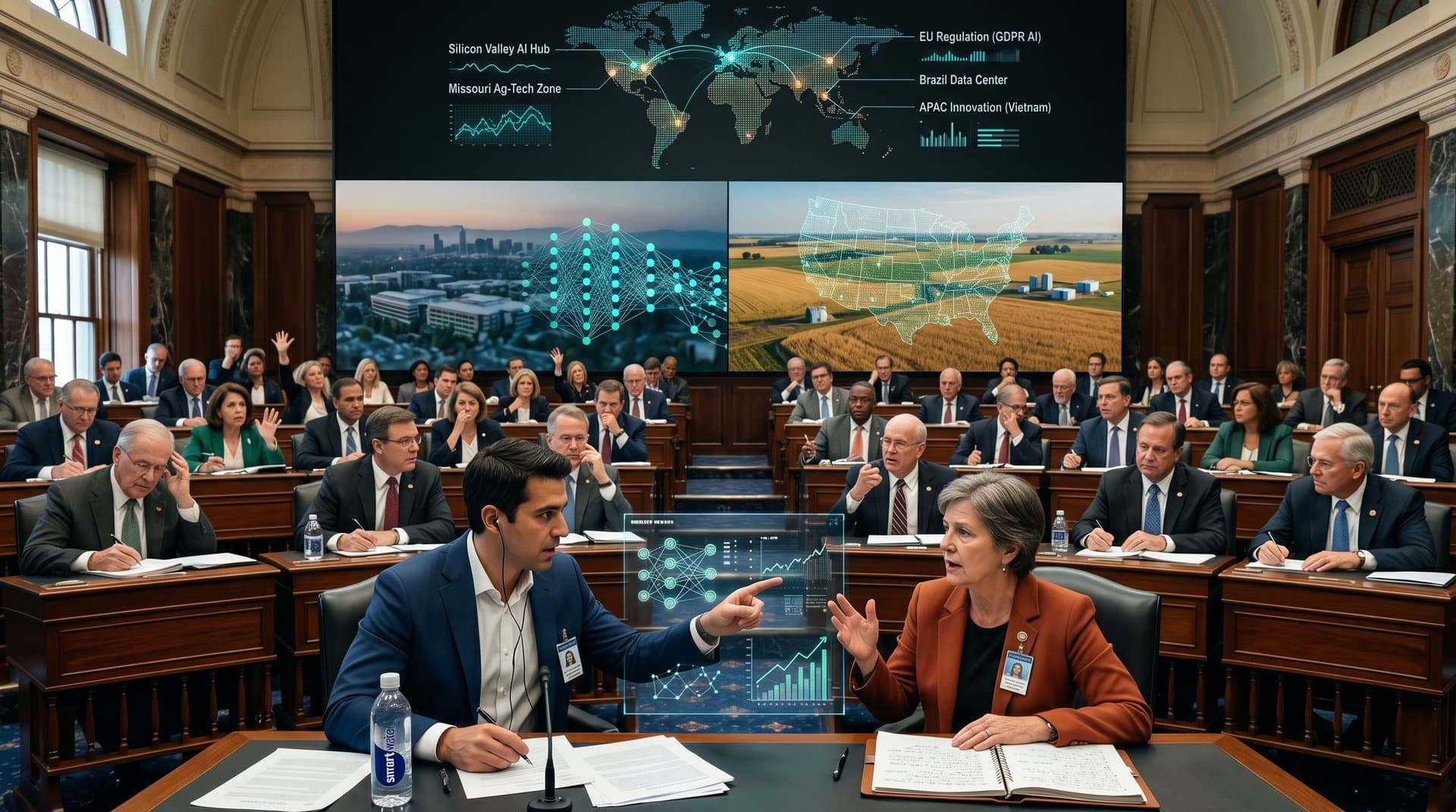
State rules range from New York's strict BitLicense to Texas's permissive stance. High 10-20% fees risk excluding rural and minority groups, per Duane Morris analysis.
Crypto Kiosk Regulations Impact Unbanked Americans
Crypto kiosks serve 4.5% of U.S. households without bank accounts (Federal Reserve 2021 Survey). Immigrants use them for remittances.
New York's BitLicense limits kiosk density to curb scams. Texas permits quick setups in stores, aiding Hispanic neighborhoods. FinCEN enforces nationwide AML rules.
Florida requires money transmitter registration (CoinDesk, Aug. 2023). Migrant workers buy XRP there for cross-border transfers.
Rural Areas Expose Crypto Kiosk Regulation Gaps
Rural Texas truck stops host kiosks. Truckers convert cash to crypto easily. States demand bonding but waive full licenses.
California mandates disclosures. Strict rules push Asian enclaves to P2P trades, heightening exclusion in low-income areas.
CoinDesk counts over 30,000 U.S. kiosks amid patchwork laws (Aug. 2023). Illinois requires operator fingerprints, challenging urban poor.
Strict Rules Limit Vulnerable Communities
New York's audits restrict Brooklyn's Black neighborhoods. ID hurdles block online exchanges. BTC's $77,072 rally highlights missed gains.
Wyoming attracts operators with light rules. Native communities explore blockchain. Duane Morris warns of consolidation in permissive states.
Kiosks use KYC scanners and Chainalysis APIs for real-time AML checks. Operators sync with state databases.
Technology Aids Crypto Kiosk Regulation Compliance
Ethereum's Proof-of-Stake reduces energy 99.95% (Ethereum Foundation, post-2022 Merge). BlackRock's BTC ETF sees $10B inflows (Q3 2024 filings).
Fees fund upgrades. EU MiCA (2026) influences U.S. policy. Southeast Asia's GCash serves 70M users (2023 reports).
Africa's M-Pesa inspires Nigeria's kiosks handling $1B monthly (Central Bank of Nigeria, 2023). Canada's FINTRAC licenses 1,200 kiosks.
Global Lessons Shape U.S. Crypto Kiosk Regulations
Permissive U.S. areas echo El Salvador's BTC adoption. DeFi TVL reaches $90B (DefiLlama, Oct. 2024). Duane Morris advises navigation of state variations.
Communities seek 10% fee caps. Mobile wallets integrate kiosks. BTC halving nears, boosting demand.
Federal clarity could add $5B kiosk volume (industry estimates). Underserved groups demand equitable access worldwide.
Frequently Asked Questions
What is crypto kiosk regulation in New York?
New York requires BitLicenses for operators, including audits and bonding. Duane Morris notes this protects users but limits kiosks in underserved areas.
How does crypto kiosk regulation impact rural communities?
States like Texas allow kiosks in truck stops. Rural cash users buy Bitcoin at $77,072 easily and enter DeFi.
Why do state crypto kiosk rules vary?
States adapt money transmitter laws to local risks. Duane Morris maps differences like Florida bonding versus Illinois fingerprints.
What role do kiosks play for immigrants?
Kiosks convert cash to XRP at $1.38 for remittances with AML compliance. Balanced states benefit diaspora most.