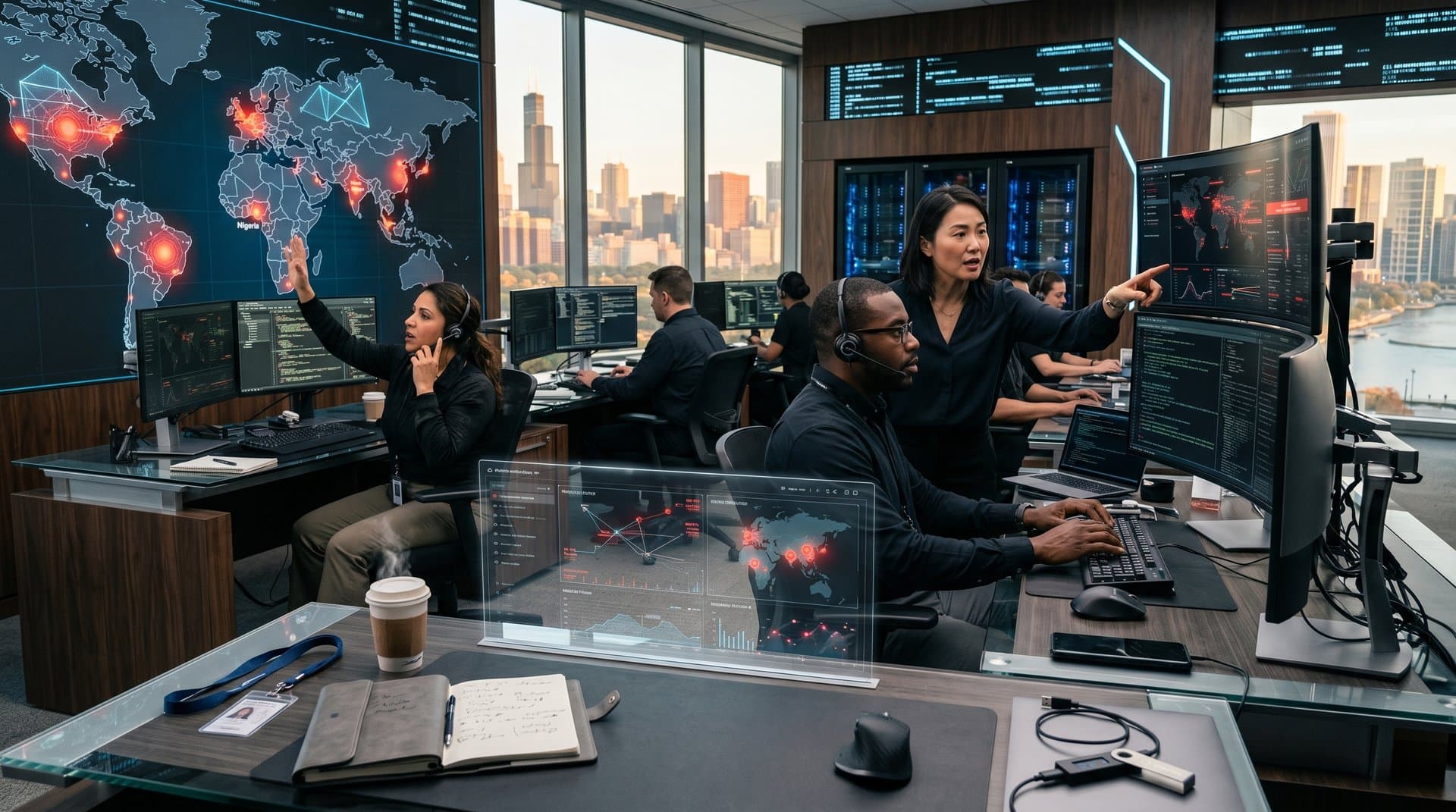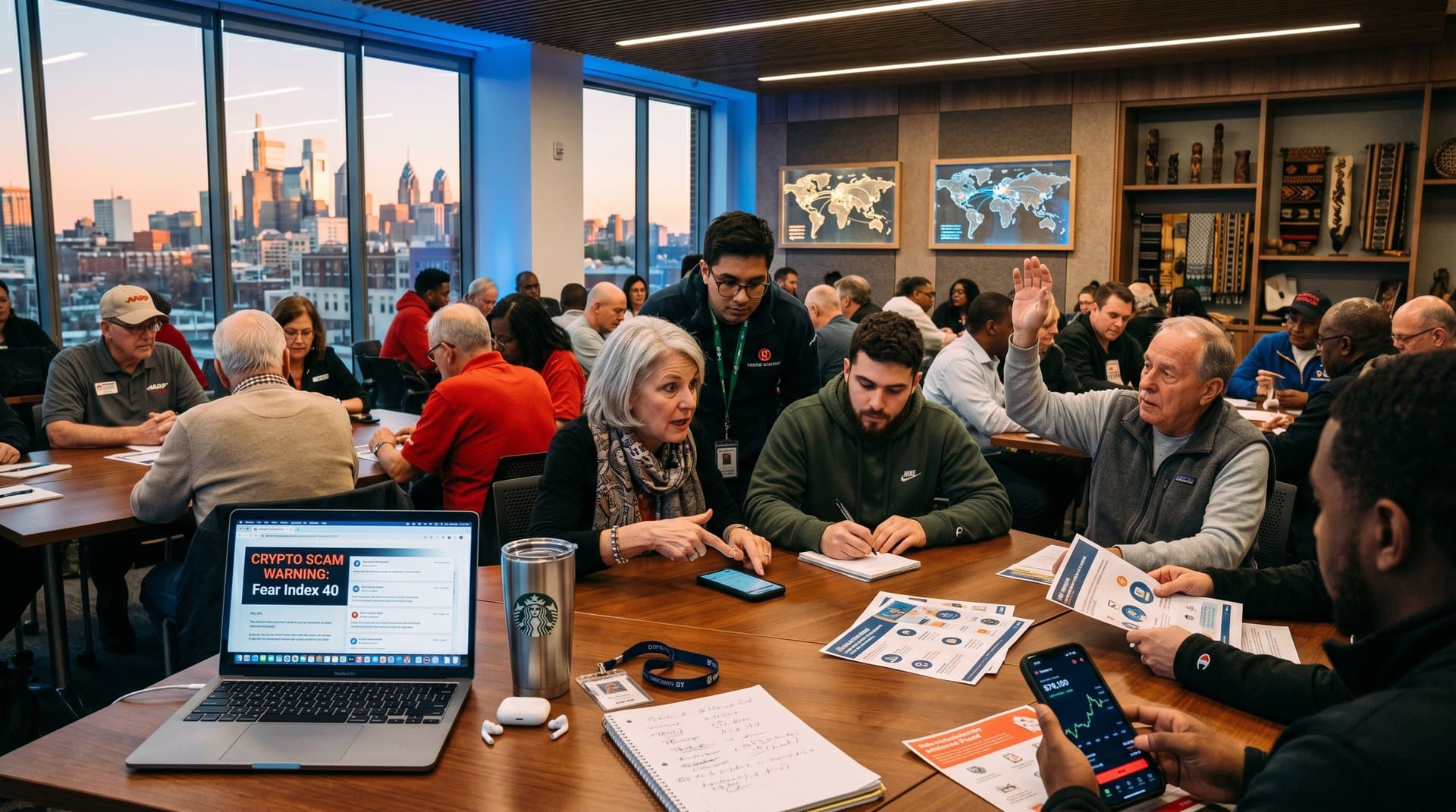
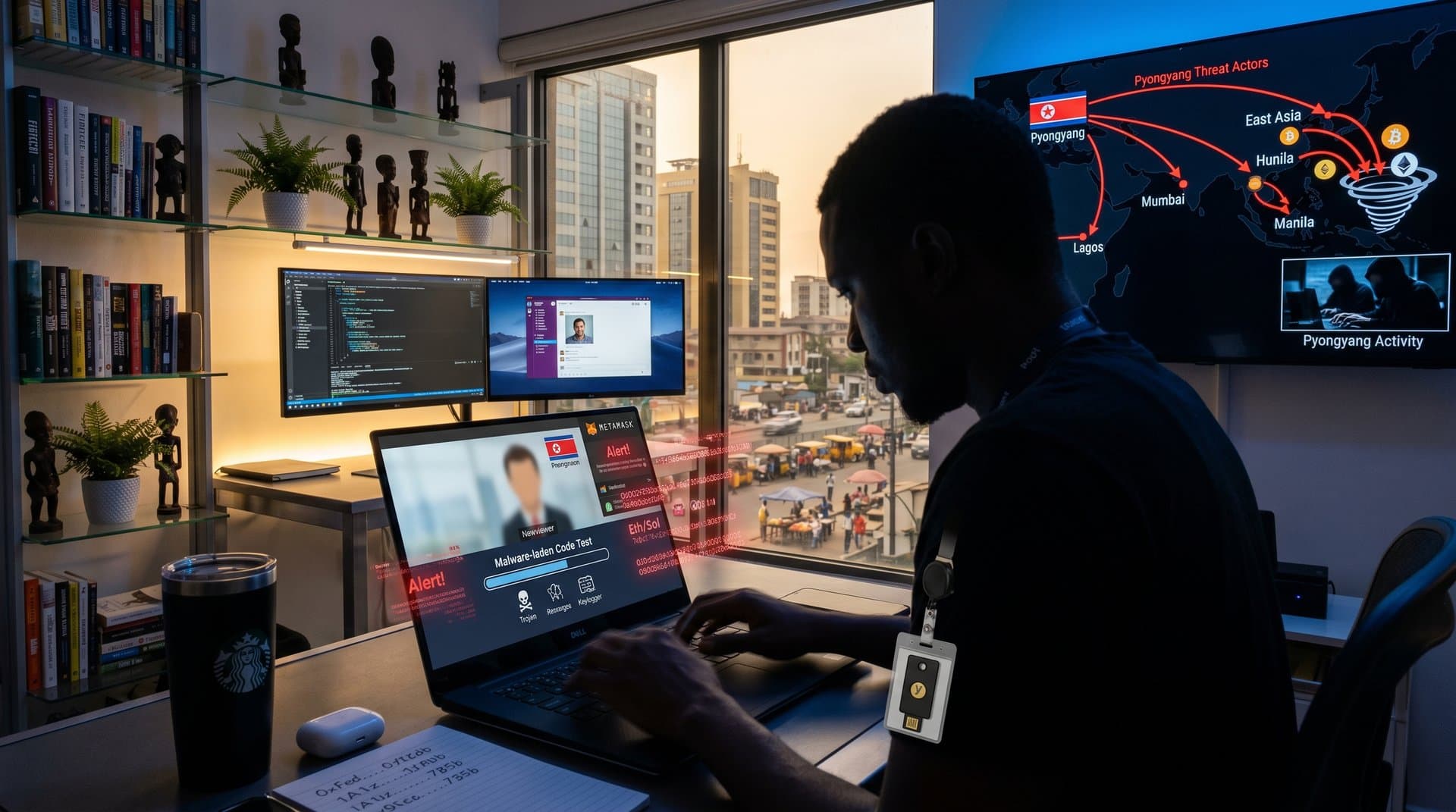
- 1. Lazarus Group stole $700M in 2023 crypto hacks (Chainalysis).
- 2. Fake interviews deliver malware to MetaMask/Ledger wallets.
- 3. Emerging markets like Nigeria fuel vulnerable freelance boom.
North Korean hackers linked to the Lazarus Group pose as recruiters on LinkedIn and Upwork. They trick freelance blockchain developers into downloading malware during fake interviews. The FBI warned of this tactic on September 19, 2024 (Reuters).
Bitcoin trades at $75,989 (CoinMarketCap). The Crypto Fear & Greed Index sits at 26, indicating extreme fear (Alternative.me).
Tactics North Korean Hackers Deploy in Fake Interviews
Hackers impersonate legitimate firms like ConsenSys or Binance Labs. They send rigged Zoom links and phony coding tests. These downloads install keyloggers and clipboard hijackers that swap crypto wallet addresses during transactions.
Malware specifically targets MetaMask and Ledger wallets. Backdoors phone home to servers in Pyongyang. Ethereum developers face high risks, given its $274.8 billion market cap (CoinMarketCap).
Infected code then spreads through GitHub repositories. Blockchain companies integrate these tainted libraries without detection. IT Pro detailed this supply chain vector.
Supply Chain Attacks Undermine Global Crypto Infrastructure
Freelance developers contribute to protocols like Solana and Uniswap. Solana trades at $83.47 with a $48.1 billion market cap (CoinMarketCap). Compromised smart contracts quietly drain liquidity pools.
Chainalysis tracked Lazarus Group tactics, noting $700 million stolen in 2023 crypto hacks. North Korea launders funds through mixers and USDT, which trades at $1.00 with a $189.6 billion market cap.
Centralized exchanges like Coinbase flag suspicious deposits. However, decentralized wallets stay exposed. XRP trades at $1.37, boasting an $84.2 billion market cap, while facing remittance sector vulnerabilities.
Developers in emerging markets bear the brunt. Platforms report blockchain freelance gigs surging 200% in Southeast Asia and Africa over two years (Upwork data).
Fake Interviews Target Developers in Emerging Markets
North Korean hackers request AnyDesk screen shares laced with trojans. Malware exfiltrates private keys post-call.
Upwork and similar platforms enforce weak recruiter verification. Developers in India, Nigeria, and the Philippines pursue lucrative remote blockchain gigs. These regions drive 40% of global freelance tech growth (World Bank).
Kaspersky documented these scams, highlighting seed phrase theft from browser extensions.
Nigerian devs, for instance, build DeFi apps for local mobile money integration. Indian coders optimize layer-2 scaling solutions. Philippine teams audit smart contracts. All face identical threats.
Defending Crypto Against North Korean Hacker Threats
The Crypto Fear & Greed Index at 26 captures widespread hack fatigue. Bitcoin's market cap hits $1,521.8 billion (CoinMarketCap).
Europe's MiCA regulation mandates supply chain disclosures starting late 2024. The US CISA issues alerts on impersonation scams. Nigeria's CBN tightens crypto KYC rules.
Blockchain firms shift to zero-trust hiring models. Developers run interviews in virtual machines and claim Immunefi bug bounties. AI tools now detect deepfake recruiters.
Binance blocks tainted wallets proactively. BNB trades at $616.84 with an $83.1 billion market cap.
Freelancers must verify opportunities through official channels. Crypto protocols roll out upgrades like multi-sig wallets and audited libraries. Global collaboration will curb North Korean hackers' crypto theft campaigns.
Frequently Asked Questions
How do North Korean hackers use fake interviews for crypto theft?
Hackers pose as recruiters and send malware-laden coding tests. Developers install trojans that steal wallet keys. Reuters reports FBI warnings on this tactic targeting blockchain freelancers.
What is a supply chain attack in cryptocurrency contexts?
Attackers compromise developers contributing code to protocols. Tainted smart contracts drain funds. Chainalysis notes $700M stolen by Lazarus in 2023 via such vectors.
Why are freelance developers prime targets for North Korean hackers?
Freelancers handle DeFi code without enterprise security. Platforms like Upwork offer easy access. Developers in Nigeria and India drive global remote work.
How can developers avoid North Korean hackers in job interviews?
Verify recruiters on official sites. Run tests in VMs or sandboxes. EU MiCA and CISA guidelines promote zero-trust practices.