- 1. Minnesota advances crypto ATM ban with ID mandates to halt senior scams.
- 2. BTC drops 1.3% to $76,322 USD; Fear & Greed Index hits 26 amid caution.
- 3. Africa and Asia favor regulation plus education over bans for inclusion.
Minnesota lawmakers advanced a bill on April 9 to ban anonymous crypto ATMs and protect seniors from scams. KNSI reporter Mary McGuire highlighted how these machines fuel fraud. Bitcoin traded at $76,322 USD, down 1.3%, according to CoinGecko. The Fear & Greed Index sat at 26 (alternative.me).
Crypto ATMs allow cash purchases of Bitcoin without ID verification. Scammers trick seniors into sending funds for fake investments. Blockchain transfers prove irreversible, locking in losses.
State data shows scam reports surged 25% last year, per the Minnesota Attorney General's office.
Ethereum held at $2,288.73 USD, down 0.6%. XRP fell to $1.38 USD, down 1.3% (CoinGecko).
Crypto ATMs Fuel Rapid Senior Scams
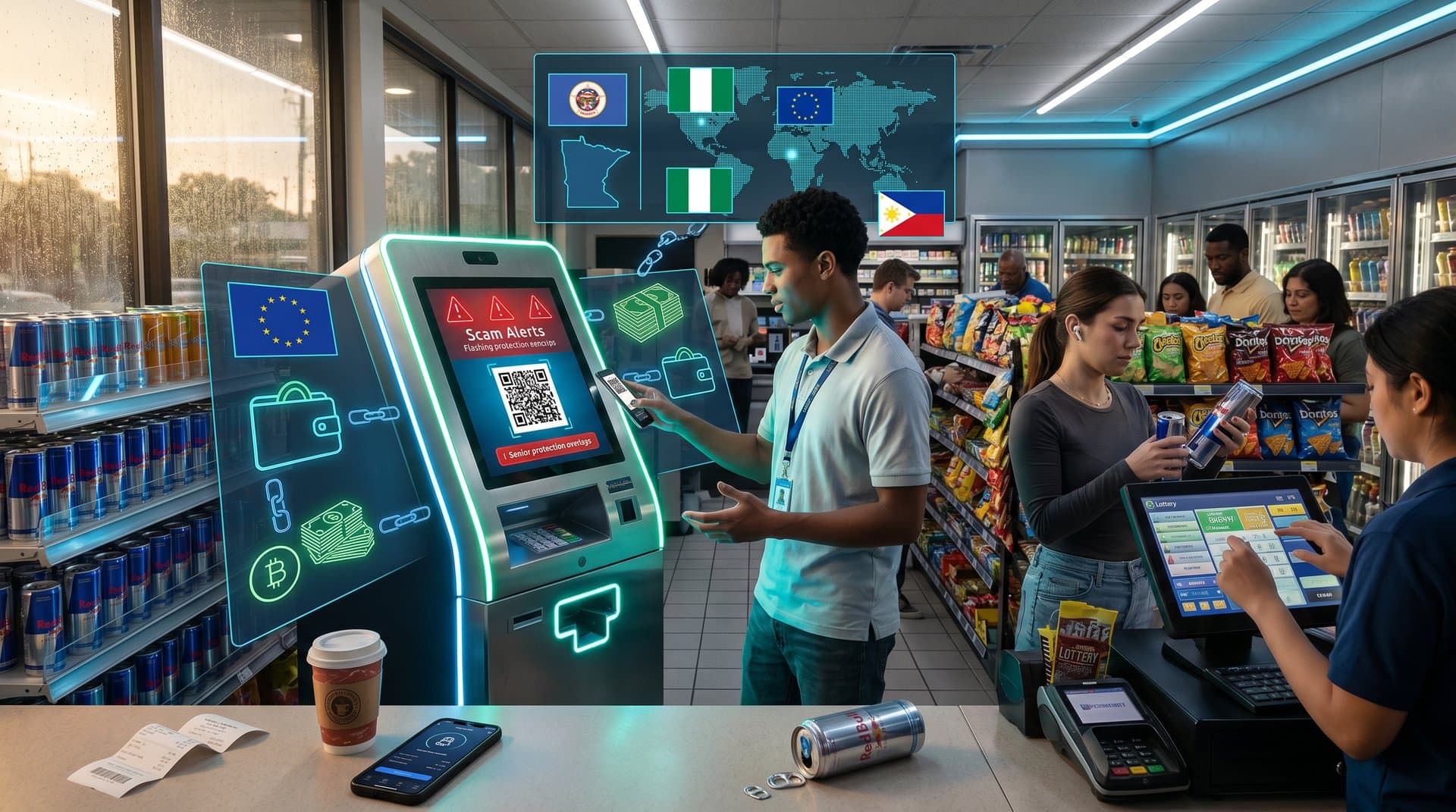
Scammers exploit ATMs' speed for instant transactions. Victims scan QR codes, insert cash, and send crypto before banks intervene.
Fraudsters use phone calls or in-person visits to target seniors. They direct victims to ATMs in gas stations and malls. Blockchain's finality seals the damage.
In Nigeria, crypto ATMs support remittances despite scam risks. CoinDesk reported a 40% adoption rise in Africa last year, where education curbs fraud better than bans.
Minnesota hosts 150+ devices, per industry tracker Coin ATM Radar. Operators collect 10-20% fees per transaction.
Bill Mandates ID Checks for Crypto ATMs
The legislation requires operator registration and customer ID for transactions over $1,000 USD. Non-compliant machines shut down within 90 days.
Seniors face high crypto fraud rates. The FBI's 2024 Internet Crime Report noted $3.4 billion USD in U.S. crypto losses, many targeting elders.
Rep. Kelly Morrison (D-Minneapolis), the bill's sponsor, said, "Crypto ATMs act as gateways for scammers preying on vulnerable elders."
Critics warn of financial inclusion risks. Unbanked immigrants use ATMs for Bitcoin remittances. Latin American countries rely on them for cross-border payments.
XRP stayed at $1.38 USD. BNB traded at $624.68 USD, down 0.3% (CoinGecko).
- Asset: BTC · Price (USD): 76,322 · 24h Change: -1.3%
- Asset: ETH · Price (USD): 2,288.73 · 24h Change: -0.6%
- Asset: XRP · Price (USD): 1.38 · 24h Change: -1.3%
- Asset: BNB · Price (USD): 624.68 · 24h Change: -0.3%
U.S. Regulation Mirrors Global Crypto ATM Trends
Minnesota aligns with New York's BitLicense rules. Crypto ATMs grew 50% after 2024 Bitcoin ETF approvals (Coin ATM Radar).
The EU's MiCA regulation, effective January 2026, demands similar ID checks. African fintechs integrate ATMs with mobile wallets like M-Pesa in Kenya.
Coinbase serves banked users via apps. Unbanked groups need cash-to-crypto ramps. USDT held steady at $1.00 USD.
State Sen. Ann Rest (DFL-New Hope) added, "We safeguard seniors without blocking innovation for underserved communities."
Minnesota's diaspora communities voice concerns. Asian and Latin remittances depend on accessible ATMs.
Emerging Markets Offer Lessons on Crypto ATMs
The Philippines regulates ATMs for overseas Filipino workers, cutting fraud 30% via licensing (Bangko Sentral ng Pilipinas data).
Indonesia licenses operators and mandates education. Full bans failed; targeted rules succeeded.
Kenya blends crypto with mobile money. Adoption jumped 60% in 2024 despite risks, per Chainalysis. Nairobi fintechs prioritize user alerts.
Global hearings inform Minnesota's approach. Blockchain demands cross-border standards.
Minnesota Vote Could Reshape U.S. Blockchain Access
Committees review the bill April 10. Amendments consider limited anonymous access under $200 USD. Operators seek 180-day transitions.
Future tech like blockchain oracles and biometrics could ease KYC burdens. Senior protection drives the push.
Passage may inspire states like California and Texas. U.S. crypto infrastructure evolves amid BTC's $76,322 support test and Fear & Greed caution.
Financial inclusion persists in emerging markets. Nigeria's 5 million crypto users highlight balanced regulation's potential.
Frequently Asked Questions
What drives Minnesota's crypto ATM ban?
Lawmakers target anonymous ATMs enabling senior scams. The bill requires registration and ID checks for transactions.
How do scammers use crypto ATMs?
They direct seniors to scan QR codes and insert cash for instant, irreversible sends without bank intervention.
Will the ban affect financial inclusion?
Unbanked users may lose access, but global models in Africa and Latin America use education alongside rules.
Why the market dip with this news?
BTC fell 1.3% to $76,322 USD as Fear & Greed hit 26, reflecting regulatory caution.