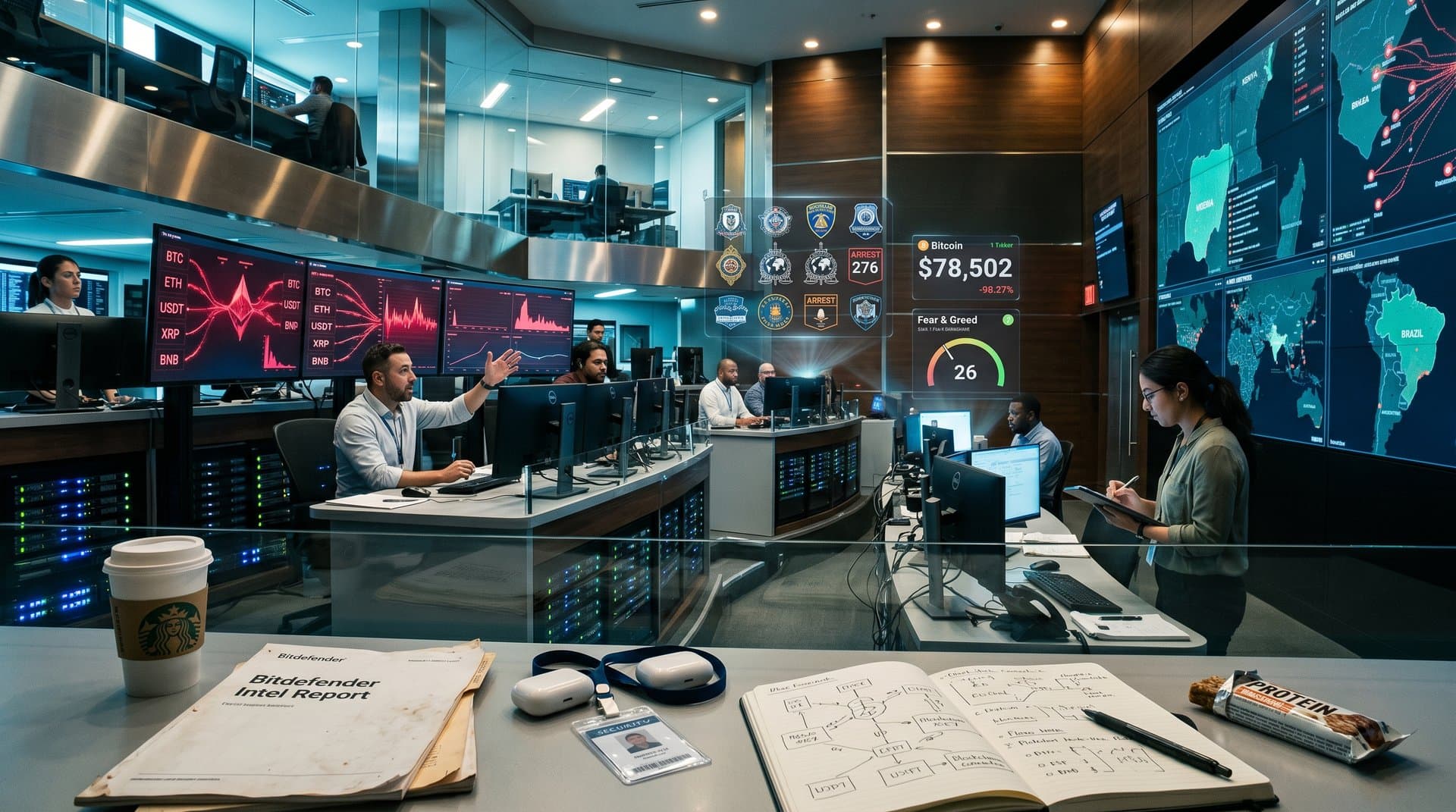

- Over 30,000 crypto kiosks operate under varying US state regulations.
- 5.4% of US households remain unbanked, using kiosks for crypto access (FDIC).
- New York mandates BitLicenses; Texas uses lighter money transmitter rules.
Duane Morris Government Strategies reports crypto kiosk regulation varies across US states. These rules govern over 30,000 machines as of October 10, 2024 (Duane Morris). Bitcoin trades at $77,479, up 1.7% (CoinMarketCap). The Fear & Greed Index reads 26 (alternative.me).
Crypto kiosks convert cash to Bitcoin and other assets in stores. Duane Morris notes strict rules in some states contrast lighter ones elsewhere. Unbanked users gain quick blockchain entry.
State attorneys general enforce licensing and disclosures. Operators like Bitcoin Depot and Coinhub adapt quickly.
Crypto Kiosks Explained
Crypto kiosks mimic ATMs. Users scan QR codes, insert cash, and buy blockchain assets instantly. Operators partner with retailers for broad reach.
Exchanges like Coinbase supply secure APIs. Regulated states require KYC against money laundering (Duane Morris). Over 30,000 kiosks target daily users nationwide (Duane Morris report).
Permissive rules speed deployments. Retailers see more foot traffic. Blockchain locks in irreversible trades.
State-by-State Crypto Kiosk Regulation
New York mandates BitLicenses and anti-fraud steps (New York DFS). Texas applies money transmitter licenses with light crypto changes (Texas OCCC).
California requires reports over transaction thresholds. Florida demands clear fee displays. Duane Morris maps this patchwork. Lenient states fuel expansion.
Operators register federally with FinCEN. States add layers. Blockchain firms update software on the fly.
New York DFS Virtual Currency Guidance
Balancing Innovation and Safety
Kiosks charge 10-20% fees and risk scams (Duane Morris). States cap fees and mandate ID checks.
Facial KYC and blockchain oracles ensure compliance. Measures slash chargebacks and steady revenues.
Kiosks serve 5.4% of unbanked households (FDIC 2023 Survey). They bring rural crypto ramps where banks fall short.
CoinDesk on State Kiosk Crackdowns
Crypto Kiosk Regulation Boosts Inclusion
Southern and Midwestern users access kiosks easily. Georgia and Ohio encourage deployments (Duane Morris).
Kiosks enable remittances on Stellar or Solana. Regulators demand transparency for trust.
Screens educate users. Competition cuts fees. Blockchain ledgers aid oversight.
US state patchwork differs from EU MiCA uniformity. It guides emerging markets like Nigeria's mobile money kiosks (Chainalysis).
Crypto Kiosk Regulation Market Impacts
Clarity draws investors. Bitcoin hits $77,479 amid resilience (CoinMarketCap).
Kiosks spur retail adoption. Ethereum climbs 2.2% to $2,325.27 for DeFi ease (CoinMarketCap).
Strict states lift costs. Federal laws may unify rules. States test paths for Congress (Chainalysis).
Texas OCCC Money Services Guidance
Tech Driving Crypto Kiosks
Smart contracts handle KYC. Oracles deliver regulatory data. General Bytes crafts hardware.
Multi-sig wallets secure funds. States audit public ledgers.
Features like NFT vending and stablecoin swaps emerge. Regulation spurs safe growth (Duane Morris).
Future of Crypto Kiosk Regulation
Strict states set national precedents. Operators target compliant zones. Inclusion rises with trusted access.
Federal preemption nears. Bitcoin Depot pushes forward. Attorneys general balance density and safety under crypto kiosk regulation.
Frequently Asked Questions
What is crypto kiosk regulation in New York?
New York requires BitLicense or equivalent for kiosks (NY DFS). Operators implement KYC and report suspicious transactions to protect against high-fee scams.
How does crypto kiosk regulation promote financial inclusion?
Kiosks enable cash-to-crypto for 5.4% unbanked US households (FDIC). Balanced rules encourage rural deployments. Blockchain supports low-cost remittances.
Why do states differ on crypto kiosk regulation?
States customize rules for local risks—Texas favors innovation, California mandates disclosures (Duane Morris). This patchwork drives national growth.
What impact does crypto kiosk regulation have on Bitcoin prices?
Clarity boosts adoption, supporting Bitcoin at $77,479 (CoinMarketCap). Fear & Greed at 26 reflects caution, but compliance fosters confidence.