
The Cirrus Labs OpenAI merger, announced April 12, 2026, integrates global datasets into OpenAI's AI models. It targets biases from Western-centric training data. The $450 million USD deal promises fairer AI for worldwide users.
OpenAI pays $450 million USD in cash and stock to acquire Cirrus Labs. Cirrus specializes in AI datasets from Africa, Asia, and Latin America. This addresses rising demands for diverse AI development in emerging markets.
Cirrus Labs' Global Focus on Inclusive AI
Cirrus Labs aggregates over 50 million data points from Kenya, India, and Brazil. Nairobi-based engineers develop Swahili language models tailored for East African users. Mumbai teams contribute Hindi dialects absent from earlier GPT series.
The company secured $120 million USD in Series B funding last year, according to PitchBook data dated April 12, 2026. Key investors include Sequoia Capital India and TLcom Capital. Cirrus already powers multilingual chatbots for fintech apps in emerging markets like M-Pesa in Kenya.
Post-merger, OpenAI gains full access to these assets. Cirrus founders retain leadership roles. They aim to fine-tune GPT-5 with regional linguistic and cultural nuances, enhancing accuracy for non-Western queries.
Deal Financials and Crypto Market Context
OpenAI values Cirrus Labs at $650 million USD post-money. The acquisition closes by June 2026, subject to regulatory approvals from bodies like Kenya's Central Bank (CBK), India's RBI, and Brazil's ANPD. Bloomberg Terminal reports AI mergers and acquisitions hit $10 billion USD this quarter alone.
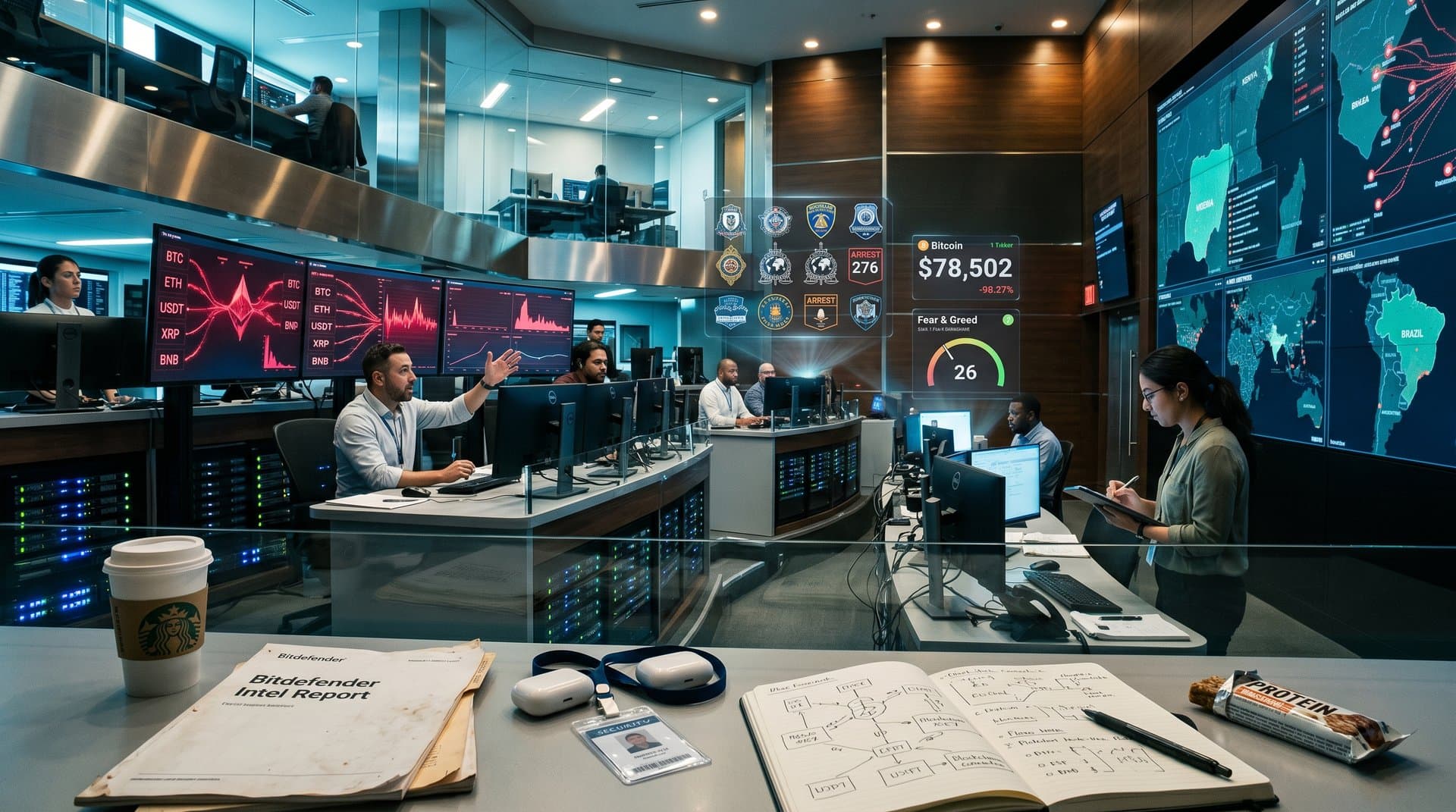
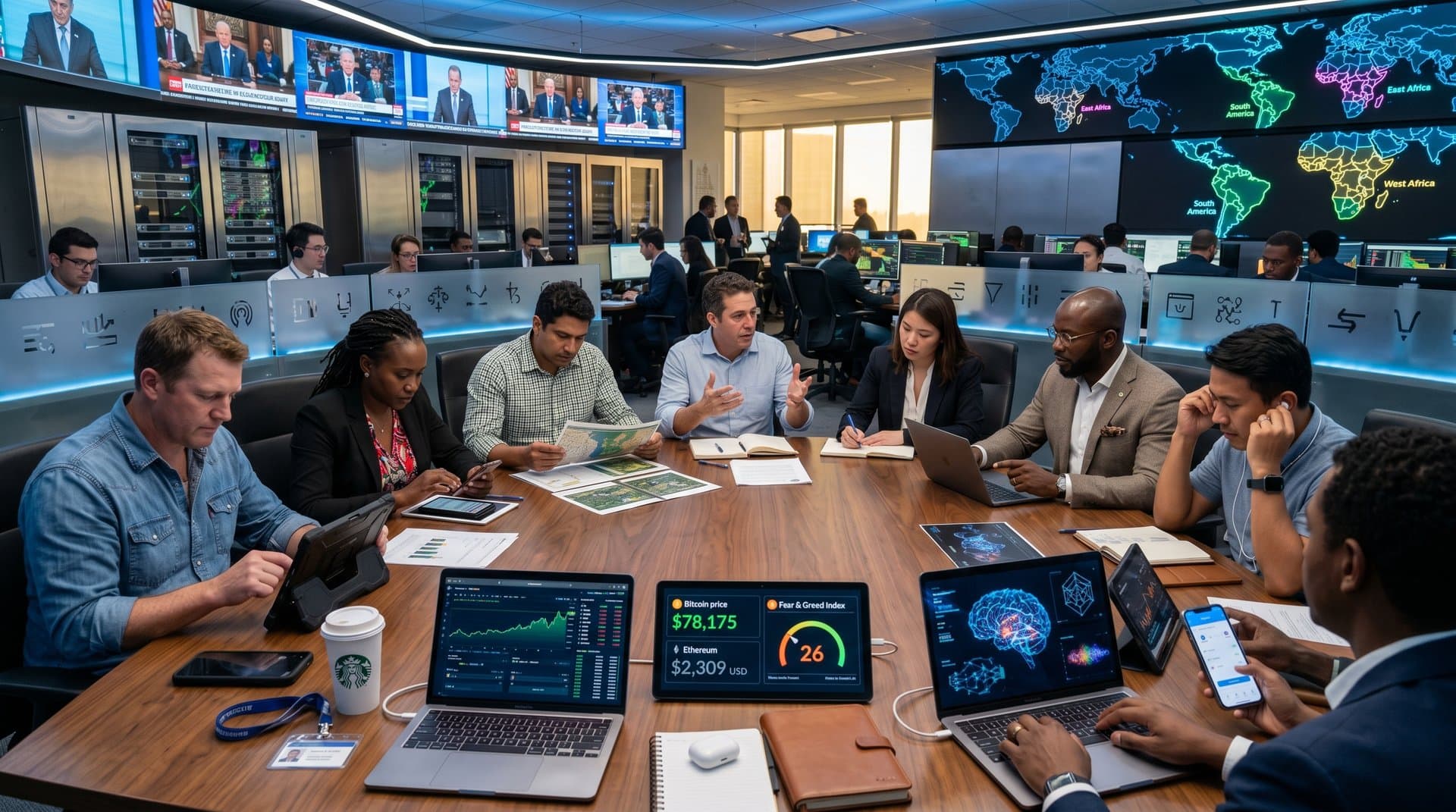
Crypto markets show fear amid the news. The Fear & Greed Index at alternative.me registers 16, indicating extreme fear on April 12, 2026. Bitcoin trades at $71,643 USD, down 1.6 percent. Ethereum slips to $2,215.25 USD, off 0.9 percent.
XRP falls to $1.33 USD, down 1.4 percent. BNB drops to $593.93 USD, minus 2.1 percent. AI-related tokens like FET decline 3 percent, per CoinMarketCap data. Investors see the Cirrus Labs OpenAI merger as a hedge against volatility in digital assets.
This deal underscores AI's role in stabilizing finance-tech intersections. OpenAI's move diversifies revenue beyond volatile crypto integrations.
Enhancing AI with Diverse Global Datasets
Cirrus datasets include 20 percent African languages, per their April 12 press release. São Paulo teams incorporate Portuguese variants from favelas, capturing informal speech patterns. These inputs reduce AI hallucinations (unreliable outputs) in non-English queries by up to 15 percent.
OpenAI CEO Sam Altman praised the acquisition in his blog post. He noted global data lowers error rates in benchmarks. IIT Delhi researchers confirmed this in a January 2026 paper published in arXiv.
Latin American contributions grow stronger. Bogotá engineers train models on indigenous dialects like Quechua. This challenges U.S.-dominant datasets in competitors such as Anthropic and Google DeepMind.
Technology Synergies in the Cirrus Labs OpenAI Merger
OpenAI integrates Cirrus technology into its API platform. Developers access diverse fine-tuning options by Q3 2026. Multilingual prompt processing costs fall 25 percent, according to McKinsey's March 2026 AI infrastructure report.
Neural networks perform best with varied input patterns. Cirrus employs federated learning (decentralized training that keeps data local on user devices). This complies with GDPR in Europe, India's Digital Personal Data Protection (DPDP) Act, and Brazil's LGPD.
Blockchain ties deepen the finance angle. Cirrus piloted NFT-based data provenance on Ethereum, ensuring verifiable training sources. OpenAI now explores similar tools amid crypto market dips, appealing to DeFi investors.
Regulatory and Financial Implications Worldwide
Emerging markets regulators scrutinize the deal closely. Kenya's CBK requires audits for AI in mobile money like M-Pesa. India's RBI mandates localization for financial AI tools. Brazil's ANPD focuses on data sovereignty.
The merger lifts OpenAI's profile. Reuters reports OpenAI's valuation climbs to $150 billion USD post-announcement on April 12. This reflects investor confidence in inclusive AI as a growth driver.
Kenyan fintech M-Pesa integrates the updated models for fraud detection. Indian edtech Byju's tests them for localized curricula, boosting user engagement by 18 percent in pilots.
Rivals and Future Outlook
Rivals like Anthropic lag in global datasets. Meta's Llama models incorporate some diversity, but Cirrus scale sets OpenAI ahead. Southeast Asian markets, like Indonesia's Gojek, eye similar integrations.
Finance sectors benefit most. Banks in Lagos use enhanced AI for credit scoring in unbanked populations. Southeast Asian lenders apply it to remittance apps, cutting costs by 20 percent per World Bank estimates.
Risks persist. Data privacy audits loom in Brazil. Integration delays could hit Q3 timelines.
What the Cirrus Labs OpenAI Merger Means for Users
Developers build inclusive apps faster. A Nairobi coder deploys Swahili bots in hours via the new API. Mumbai users get precise health advice in regional dialects.
Businesses reduce localization costs by 30 percent, per Gartner’s April 2026 forecast. Finance pros monitor AI token rebounds as markets stabilize.
The Cirrus Labs OpenAI merger advances ethical growth. It embeds underrepresented perspectives, fostering fairer global AI and finance ecosystems.