- Fear & Greed Index drops to 27 amid bromine supply fears.
- Bitcoin falls 2.0% to $74,137 as chip risks mount.
- Ethereum declines 3.5% to $2,268.53 on hardware concerns.
Middle East strife tightens the bromine chokepoint. Tensions near the Dead Sea disrupt supplies from Israel's ICL Group and Jordan's Arab Potash Company. This threatens memory chip production worldwide.
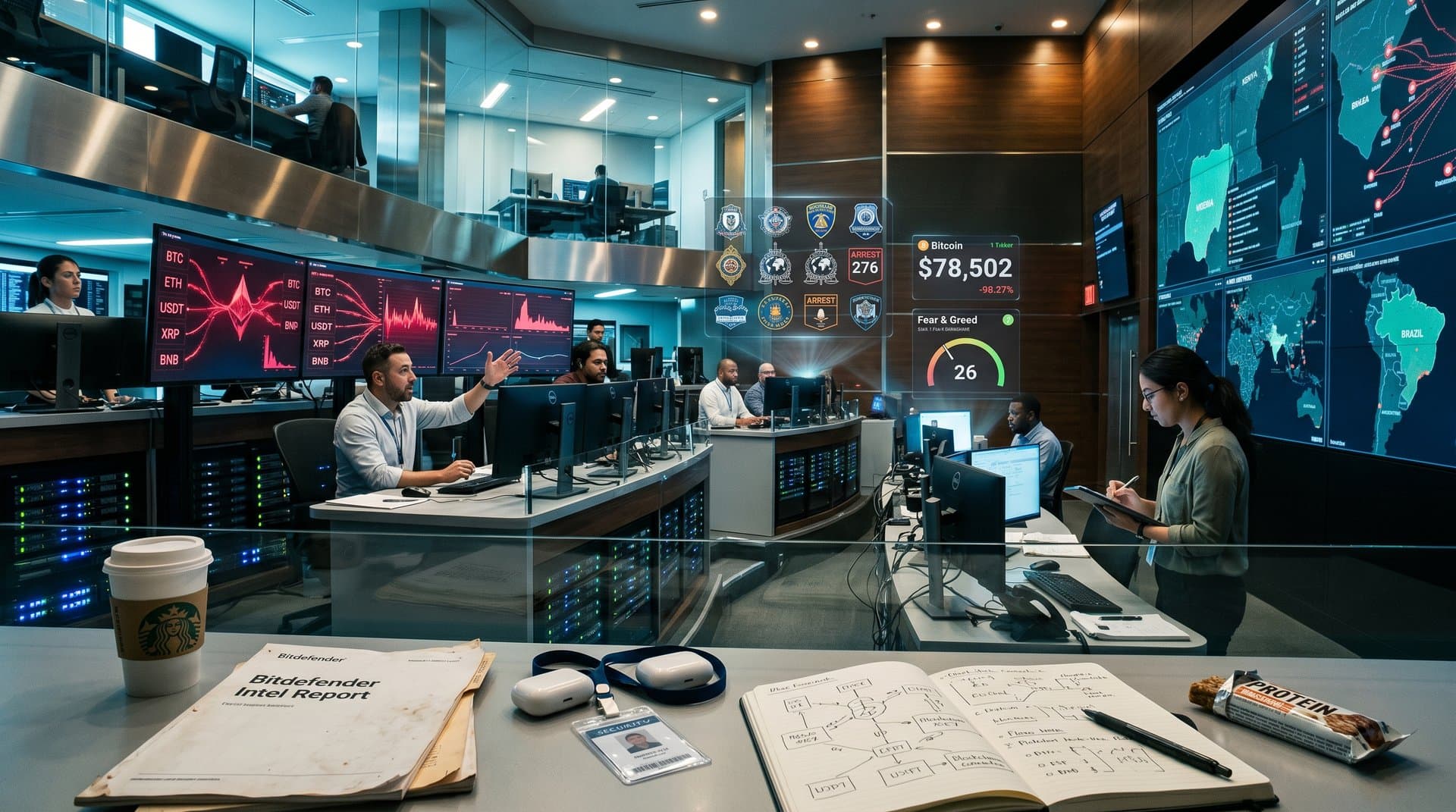
CoinGecko reports crypto markets in extreme fear. The Fear & Greed Index sits at 27. Bitcoin trades at $74,137 USD, down 2.0%. Ethereum falls 3.5% to $2,268.53 USD. These moves underscore supply chain vulnerabilities for mining rigs and data centers.
Bromine compounds power precise etching in semiconductor fabs. TSMC, Micron, and Samsung depend on steady supplies for DRAM and NAND flash memory. Disruptions cascade to servers that power blockchain networks and AI training.
Bromine's Critical Role in Memory Chip Fabrication
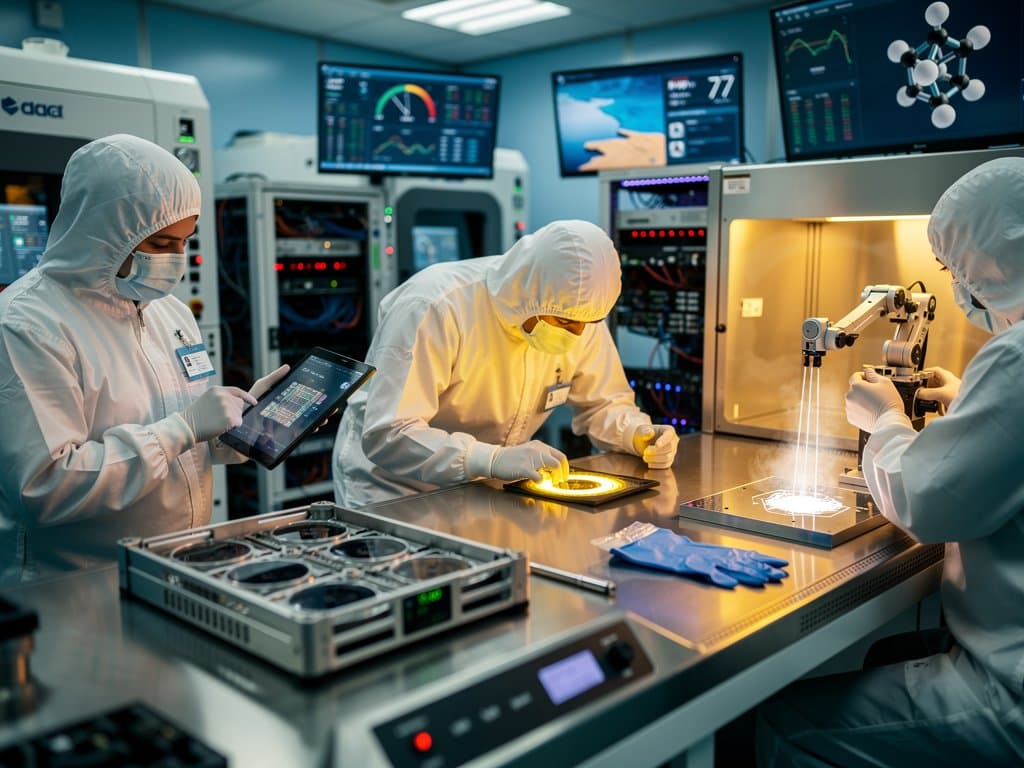
Bromine serves as a vital etchant in photolithography processes. Fabs use hydrogen bromide gas to remove excess silicon during circuit patterning. Engineers rely on this step to achieve high memory cell density in NAND flash chips.
Bromine shortages stop production lines cold. SK Hynix cleanrooms in South Korea import heavily from the region. Asian manufacturers warn of single-source vulnerabilities. Japanese firms like Tokyo Ohka Kogyo supply photoresists, yet base chemicals trace back to Dead Sea origins.
AI data centers demand exploding volumes of high-density chips. Blockchain nodes integrate terabyte-scale SSDs. Bromine disruptions delay Nvidia GPU deliveries, stalling Ethereum staking infrastructure and Bitcoin mining upgrades.
Middle East Strife Triggers Bromine Chokepoint
Israel supplies one-third of global bromine through Dead Sea evaporation ponds, per U.S. Geological Survey (USGS) data. Jordan's Arab Potash Company operates nearby facilities. Escalating Israel-Hezbollah-Iran conflicts jeopardize extraction and logistics. USGS Bromine Statistics
Operators pause extractions during security alerts. Tanker shipments to Rotterdam ports delay by weeks. ASML integrates bromine-derived compounds in its extreme ultraviolet (EUV) lithography tools.
Regional stakeholders push adaptations. Jordanian teams test alternative brine sources. ICL Group executives point to ramped China exports. Freight insurers hike premiums by 15%, squeezing memory producers' margins.
Memory Chip Crisis Impacts Crypto Markets
Bitcoin miners upgrade ASICs with DDR5 memory modules. Ethereum validators deploy servers packed with NAND storage. Bromine supply crunches lift hardware costs 10-20%, per TrendForce analysis.
- Asset: BTC · Price (USD): $74,137.00 · 24h Change: -2.0%
- Asset: ETH · Price (USD): $2,268.53 · 24h Change: -3.5%
- Asset: XRP · Price (USD): $1.41 · 24h Change: -1.8%
- Asset: BNB · Price (USD): $618.88 · 24h Change: -1.8%
CoinGecko data confirms the dips. Fear & Greed at 27 links directly to these disruptions. Glassnode on-chain metrics show Bitcoin hashrate growth slowing to 4.2% week-over-week. Glassnode Hashrate Crypto markets liquidated $2.3 billion in positions over the last 24 hours, according to Coinglass. Coinglass Liquidation Data
Decentralized applications drive massive storage demands. Solana clusters load terabytes of DRAM daily. Supply chokepoints favor hyperscalers like AWS, sidelining smaller crypto operators.
Bromine Chokepoint Widens Digital Inequity
Emerging markets suffer first. Kenya's data centers rely on second-hand chips for fintech servers. Argentina's Bitcoin miners scramble for NAND surplus amid inflation pressures.
Tata Electronics imports 80% of its chemicals for new Indian fabs, per Ministry of Electronics and IT disclosures. Southeast Asia accelerates diversification efforts. Vietnam fabs experiment with chlorine etchants, accepting 5-10% yield penalties.
Global South innovators pivot fast. Nigerian crypto hubs deploy lightweight blockchain nodes to cut hardware needs. Brazilian developers optimize Solana apps for low-memory edge devices. These strategies counter full collapse fears.
The Dead Sea recedes 1 meter annually, USGS reports confirm. Jordan invests in desalination to sustain output. Australia emerges as a bromine alternative source with 10% global capacity.
Asian Chipmakers Accelerate Bromine Alternatives
TSMC pilots fluorine-based etchants at Taiwan facilities. Samsung invests 5 trillion won ($3.6 billion USD) in domestic chemical plants, per company investor filings. These steps slash Middle East dependency by 2030.
Ethereum Layer-2 solutions reduce storage via data sampling techniques. Bitcoin Ordinals explorers shift to off-chain memory solutions.
The EU Critical Raw Materials Act lists bromine as strategic, requiring 10% domestic sourcing by 2030, European Commission states. The US CHIPS Act allocates $39 billion for domestic semiconductors, including chemical supply chains.
The bromine chokepoint grows acute. Further Middle East escalations will force fabs to idle or scramble for rerouted supplies, reshaping global tech finance.
Frequently Asked Questions
What is the bromine chokepoint in memory chip production?
Bromine acts as an etchant in semiconductor fabrication for DRAM and NAND. Middle East producers supply most global volumes. Disruptions halt precise patterning of memory cells.
How does Middle East strife create a bromine chokepoint?
Israel and Jordan extract bromine from the Dead Sea. Conflicts disrupt ponds and shipments. Fabs like TSMC face delays without alternatives.
What does bromine chokepoint mean for crypto mining?
Miners need memory chips for ASICs and GPUs. Supply issues raise costs and slow hashrate growth. Fear & Greed Index at 27 reflects these risks.
How might bromine shortages affect AI hardware?
AI servers pack terabytes of DRAM. Bromine etching enables high density. Asian fabs test substitutes, but yields suffer initially.