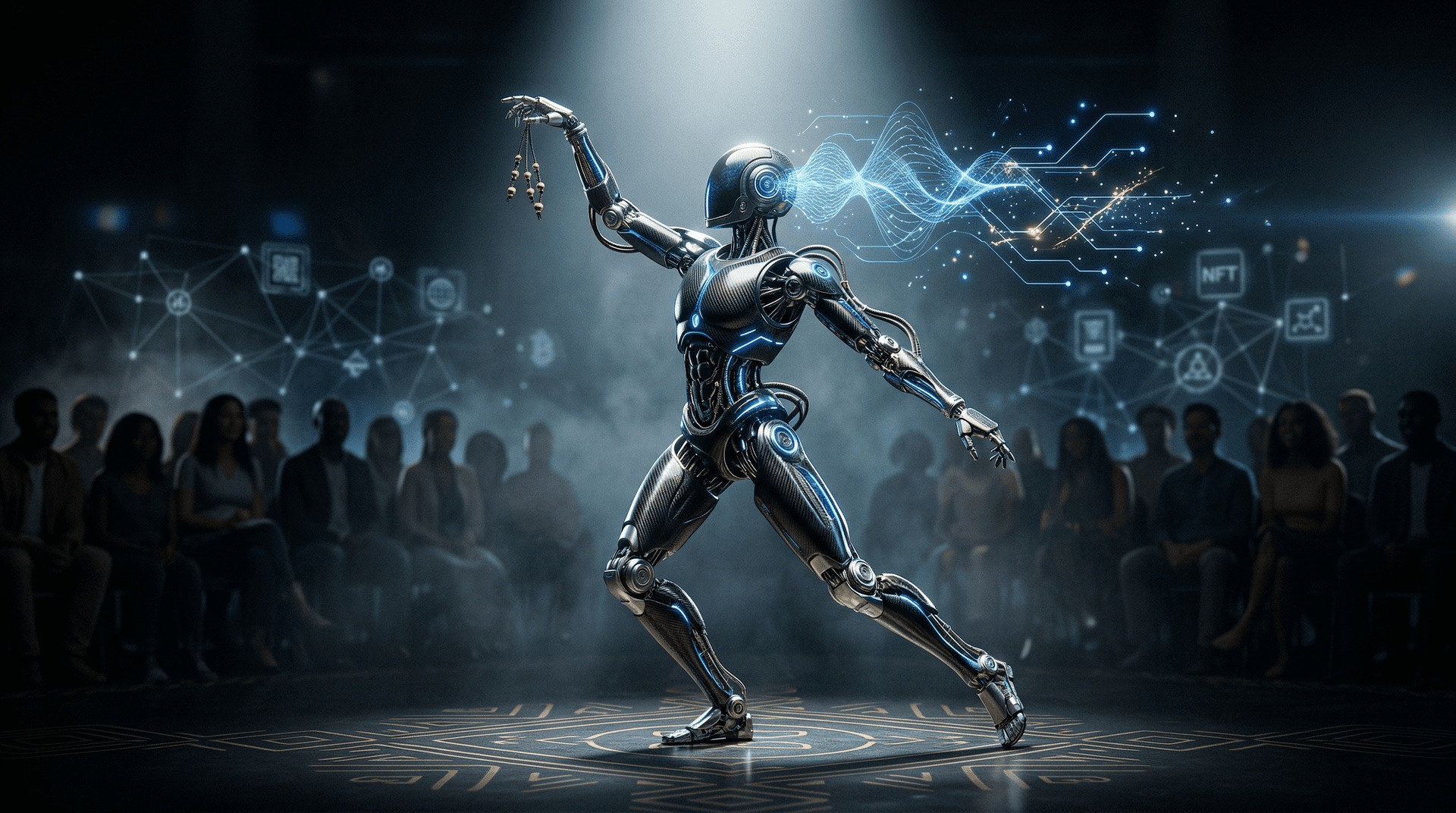
ALS dancer brainwaves powered Nigerian Aisha Okonjo's control of robotic limbs in a live performance on April 12, 2026. The Lagos event drew 5,000 virtual viewers on DecentralArt's blockchain platform, per event records.
Okonjo, 34, trained for months with NeuroLink Africa. The Lagos startup implanted her brain-computer interface (BCI) chip last year. Her signals triggered real-time dance moves.
ALS Dancer Brainwaves Revive Traditional Dance
ALS stripped Okonjo's muscle control after diagnosis four years ago. She once led Afrobeat troupes across West Africa. Technology now adapts her Yoruba dances.
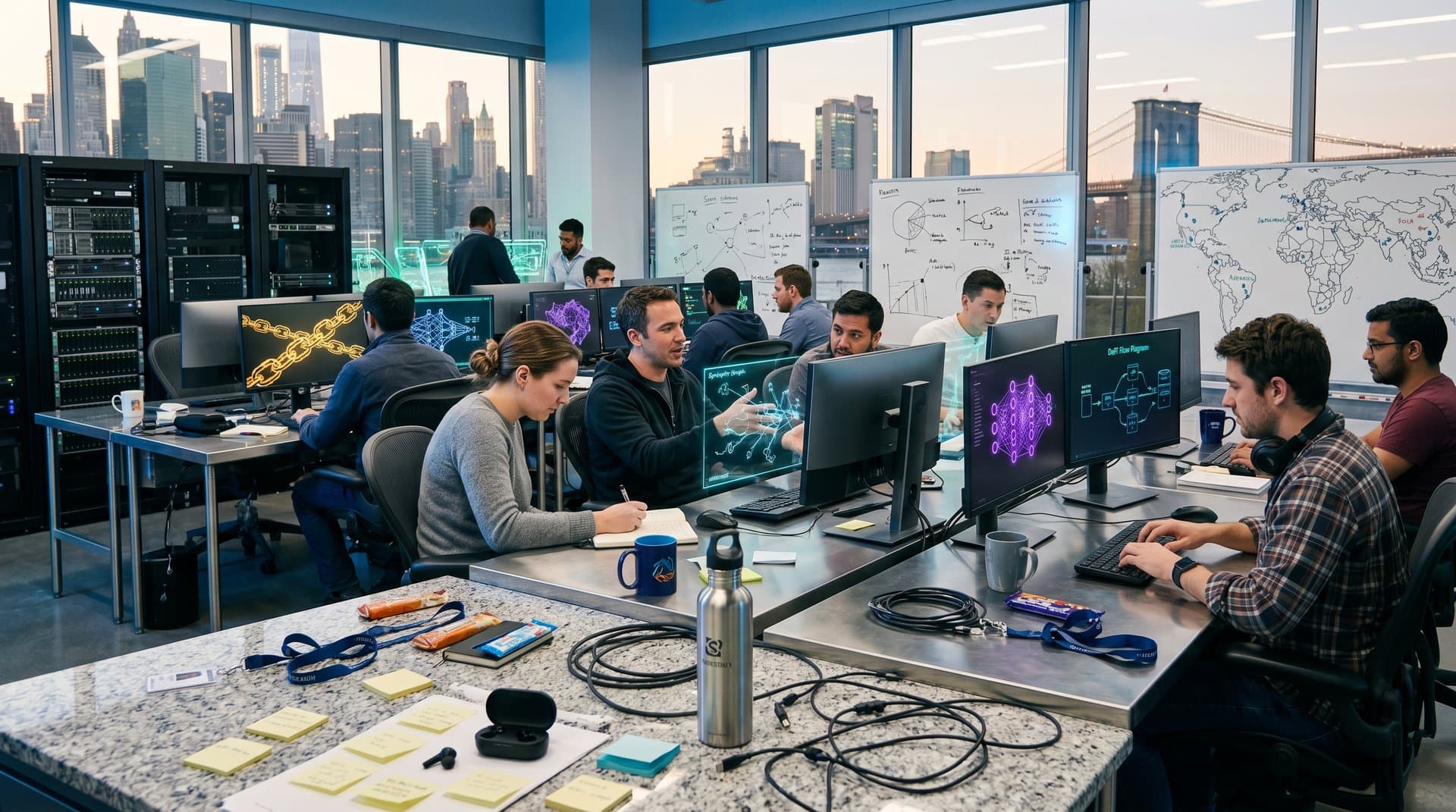
NeuroLink Africa's BCI reads neural patterns like a conductor reads sheet music. Electrodes capture movement intent. Algorithms translate signals to exoskeleton actuators.
Each unit costs 25,000 USD, per NeuroLink data. Grants gave Okonjo access. Local engineers customized it for fluid hip sways.
Blockchain Funding Fuels Neurotech Innovation
A decentralized autonomous organization (DAO) raised 450 ETH (1.2 million USD at 2,666 USD per ETH, CoinMarketCap data) for the project. Donors from Nigeria, Brazil, and India contributed despite volatility.
The Ethereum-based DAO used smart contracts for transparency. Funds covered BCI surgery and exoskeleton prototypes.
Supporters see blockchain as an empowerment tool amid market swings.
Live Performance Mechanics and NFT Sales
DecentralArt streamed the show in a blockchain metaverse. Viewers bought NFT tickets for 0.1 ETH each. Over 500 sold out in hours, generating 50 ETH revenue per platform records.
Okonjo's brainwaves hashed on-chain for authenticity. Each move minted a unique NFT clip. Buyers own dataset fractions.
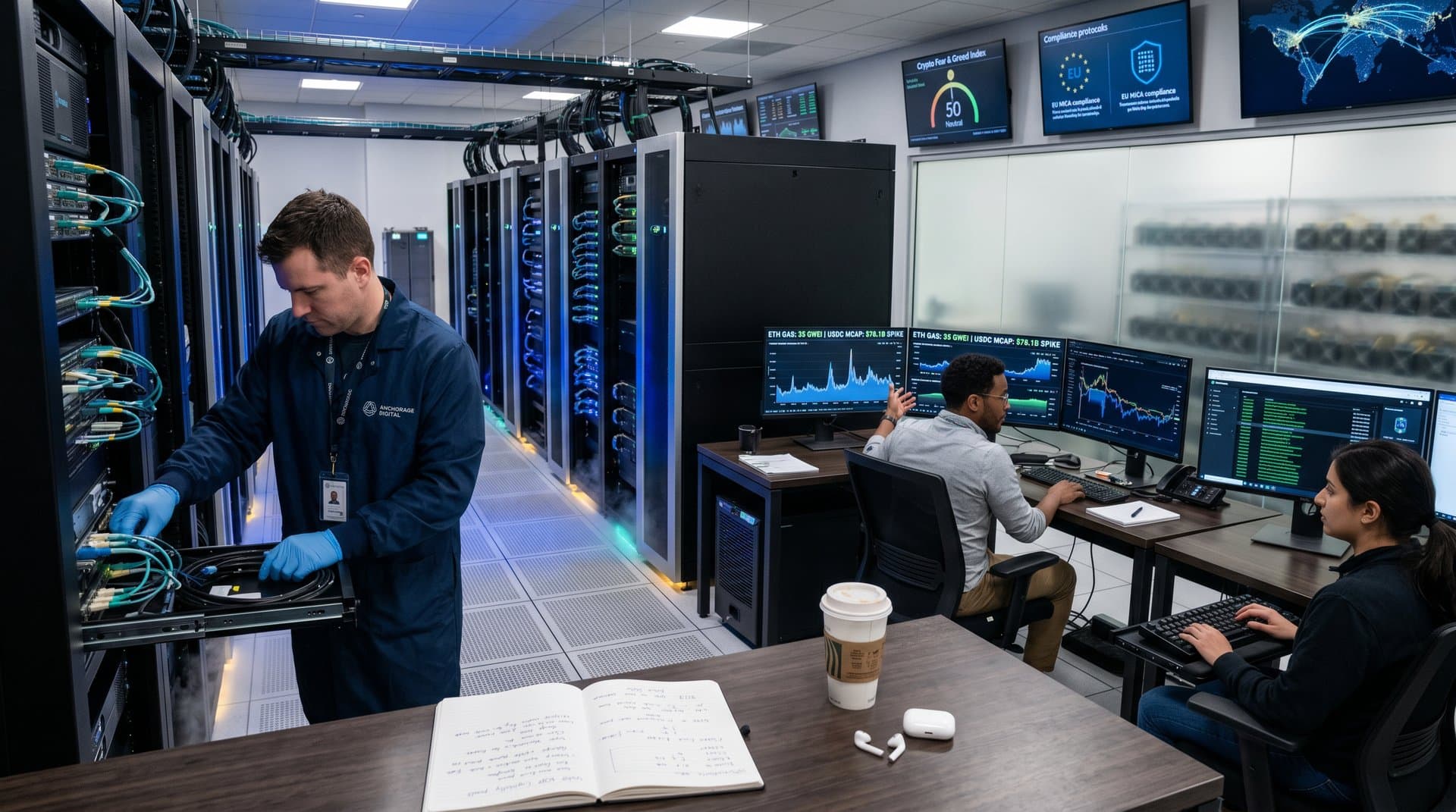
Engineers synced BCI data with low-latency blockchain nodes. Latency stayed under 50 milliseconds, per NeuroLink tests.
Global Impact of Inclusive Arts Tech
Nairobi neuroscientist Dr. Kwame Ndugu praised the event. "Africa leads BCI for arts, not just medicine," he told Uchatoo. BrainWave Kenya tests similar systems.
São Paulo collectives mint BCI performances as NFTs. They fund therapies for two million Latin Americans with disabilities, per Fiocruz Institute.
India's MindMesh integrates blockchain for neural data security. It serves 1.5 million users with motor impairments, per its April 12, 2026, whitepaper.
BCI and Blockchain Tech Breakdown
Okonjo's BCI uses machine learning trained on 10,000 dance hours. NeuroLink achieves 92 percent accuracy, per lab tests.
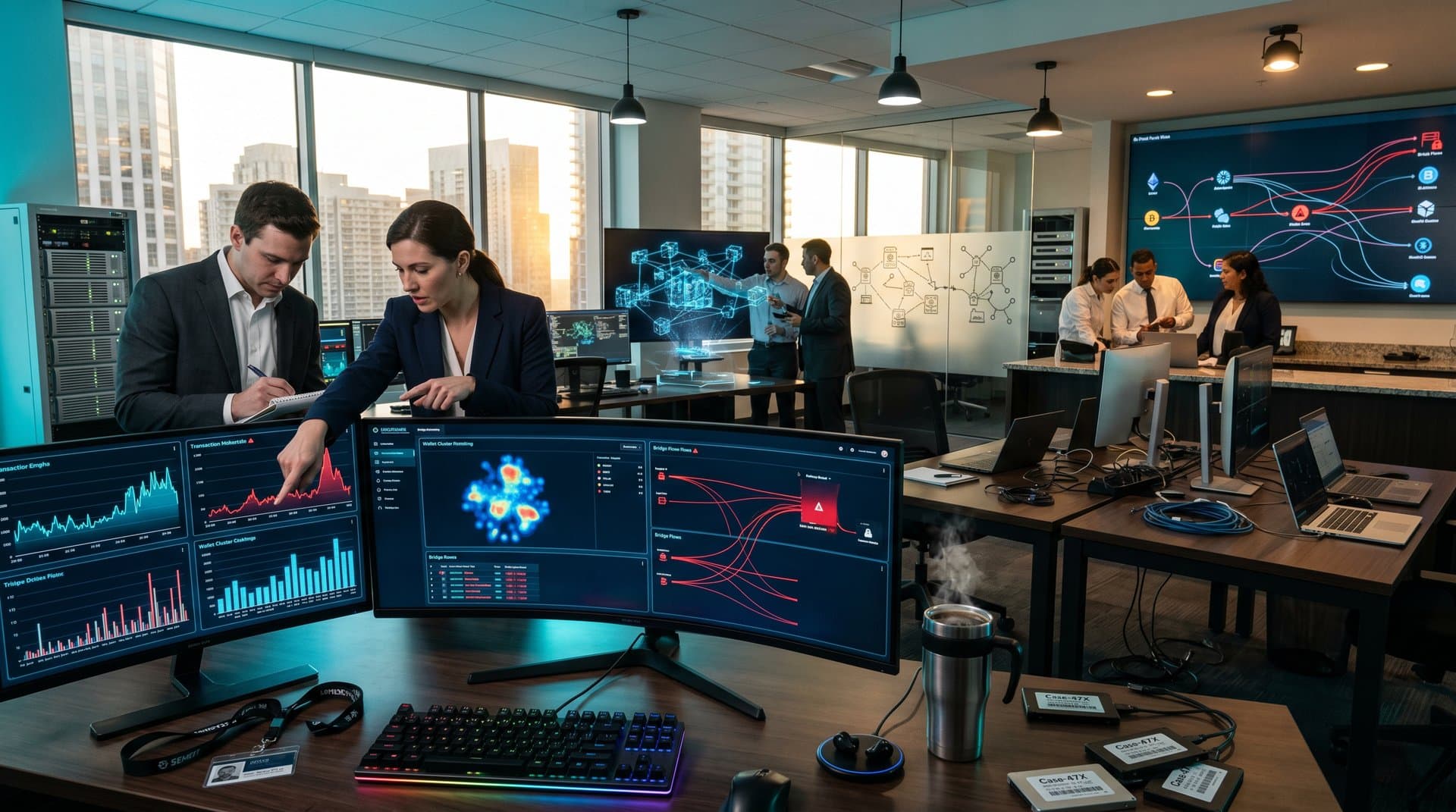
Blockchain secures data flows. Smart contracts release payments on verified signals. This builds trust in global collaborations.
Exoskeletons weigh 15 kg with carbon fiber frames mimicking human joints. Batteries last 90 minutes per charge.
Revenue Streams and Market Ties
The 50 ETH from NFT sales splits 40 percent to African ALS research, 30 percent to Okonjo, and 30 percent to NeuroLink.
Crypto funds 30 percent of global neurotech startups, PwC Africa reports. DAOs like ArtsForAll raised 1.2 million USD in equivalents last quarter.
Neurotech-blockchain valuations rose 25 percent year-over-year, CB Insights data shows.
Challenges and Scalability Ahead
BCI implants carry a two percent infection risk, Mayo Clinic study notes. Okonjo uses telehealth monitoring.
Blockchain fees spike during peaks. Layer-2 solutions cut costs.
NeuroLink plans 100 units by 2027. Projects emerge in Indonesia and South Africa.
Future of ALS Dancer Brainwaves in Global Arts
Okonjo's performance proves ALS dancer brainwaves shatter physical barriers. Blockchain democratizes funding for Nigerian and emerging-market creators.
Lagos festivals now feature BCI demos. Okonjo eyes a Mumbai metaverse tour. Tech empowers where bodies falter; blockchain ensures access.