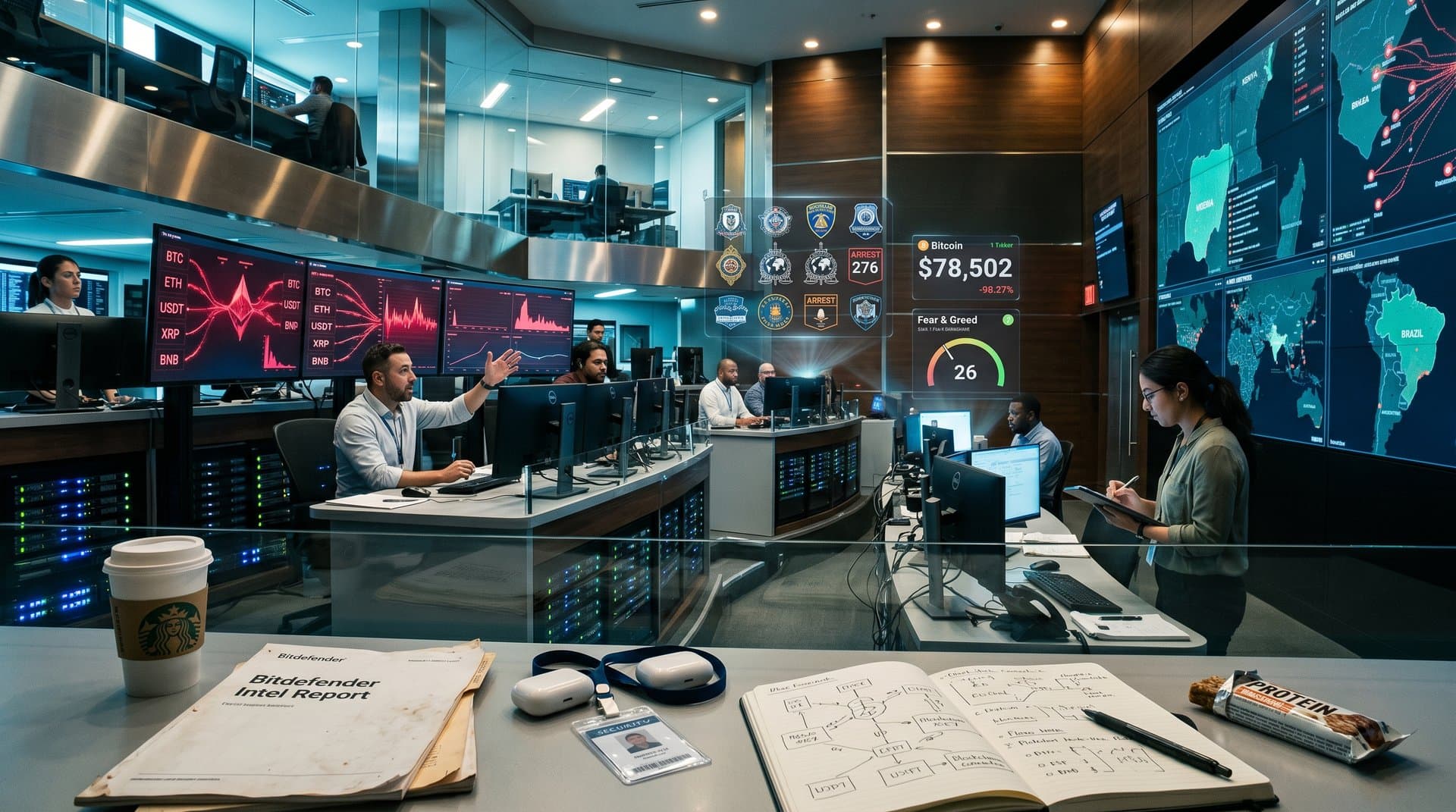
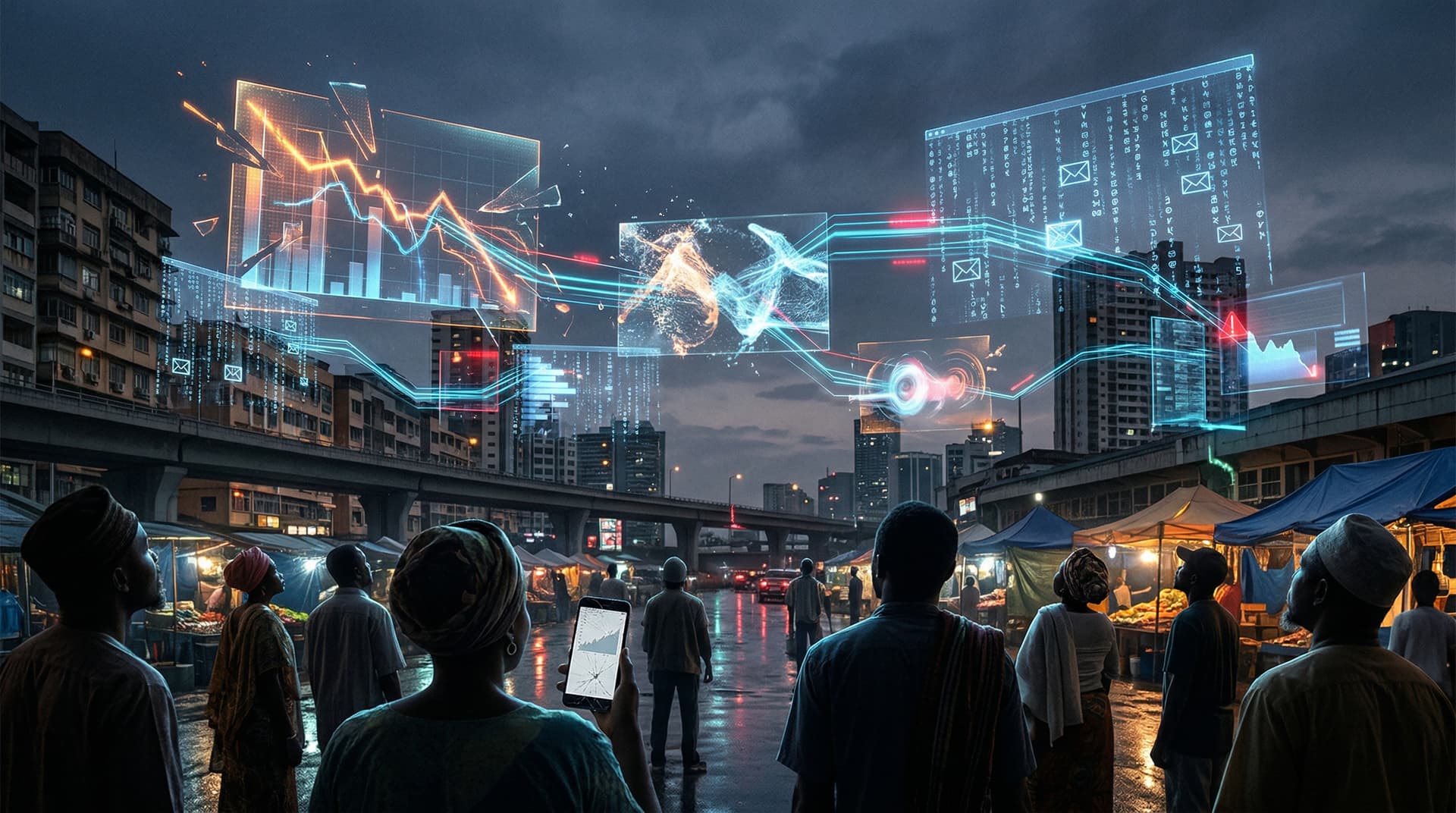
AI-generated misinformation surged across digital platforms worldwide on April 11, 2026. Fake videos, audio clones, and texts triggered widespread crypto market panic. Alternative.me's Crypto Fear & Greed Index dropped sharply to 15, its lowest in months, signaling extreme investor fear amid deceptive content floods.
Bitcoin held at $73,027 USD, up 0.2 percent. Ethereum climbed to $2,258.36 USD, gaining 0.6 percent. XRP reached $1.35 USD, up 0.2 percent. BNB traded at $607.53 USD, rising 0.3 percent. USDT remained stable at $1.00 USD. Despite minor gains, trading volumes spiked 25 percent on major exchanges like Binance and Coinbase.
Emerging Markets Battle Deepfakes Daily
Nigerian users faced AI voice clones impersonating relatives to demand urgent funds. Fraudsters exploited family ties effectively. The Central Bank of Nigeria documented a 25 percent surge in such incidents this week alone, with losses exceeding 500 million NGN (about $320,000 USD).
In Indonesia, AI-generated videos falsely depicted government crackdowns on protests. Platforms detected and labeled only 30 percent of these deepfakes. Jakarta-based analyst Rina Susanti scanned 1,000 posts on April 11 and found 70 percent unlabeled, fueling public unrest and diverting attention from fintech reforms.
Brazil saw AI-crafted smears accusing political candidates of bribery. Sao Paulo's electoral court identified over 5,000 deceptive posts since dawn. Newspaper O Globo verified the figures, noting impacts on voter trust and local crypto trading apps, where volumes dipped 15 percent.
Crypto Volatility from AI Fakes Intensifies
A fake Elon Musk video predicted Bitcoin's crash to $10,000 USD, prompting panic sells on Binance. Liquidations hit $150 million USD across derivatives markets, though spot prices stabilized quickly.
Kenyan fintech expert Dr. Elias Otieno highlighted blockchain verification gaps. "AI tools now bypass traditional checks, amplifying phishing risks," he told Uchatoo from Nairobi. His firm detected 40 percent more attempts this month, targeting mobile money users in East Africa.
Personal and Economic Disruptions Spread
Singapore residents received AI-spam emails mimicking DBS Bank loan offers. The Monetary Authority of Singapore blocked 10,000 malicious domains by midday, its cyber unit reported, preventing potential fraud worth millions in SGD.
Mexican online forums propagated AI-generated vaccine myths, eroding public health trust. Dr. Maria Lopez in Guadalajara noted 20 percent of patients canceled appointments based on fakes, indirectly hitting healthcare fintech payments.
South African e-commerce platforms hosted AI fake reviews, misleading shoppers. The Competition Commission recorded a 30 percent complaint rise on April 11, with affected retailers losing up to 10 percent in sales revenue.
Tech Giants Deploy AI Detection Tools
OpenAI rolled out a real-time deepfake scanner integrated into search results. Independent benchmarks from MIT confirmed 85 percent detection accuracy on synthetic videos and audio.
Indian startup VeriBlock handled 1 million blockchain-based verifications overnight. CEO Priya Khan announced the milestone on April 11, emphasizing its role in authenticating financial transactions across Asia.
Google expanded watermarking to 60 percent adoption in Southeast Asia pilots, reducing unlabeled deepfakes by 40 percent in tested apps.
Regulators Push Back Against AI-Generated Misinformation
The European Union drafted labeling mandates with fines up to 6 percent of global revenue for non-compliant platforms. Brussels regulators cited a 2026 spike in incidents within their April 11 proposal.
African Union ministers advanced a deepfake ban and cross-border data-sharing pact. Nigerian delegate Aminu Bello chaired the session, with notes confirming commitments from 15 nations to protect digital finance.
The US Federal Communications Commission (FCC) initiated probes into platform liabilities. Hearings begin April 15, focusing on crypto scam enablers.
Voices from Global South Highlight Impacts
Filipino journalist Carla Reyes documented rural villages trusting AI videos over verified news. Her Manila report on April 11 exposed influences on local elections and remittance apps, where fake alerts caused 12 percent withdrawal spikes.
Peru's Diego Vargas reported AI fakes tanking small business stocks on Lima exchanges. "Daily trust erosion threatens fintech growth," he told Uchatoo, citing 8 percent market cap losses for affected firms.
Egypt's AI researcher Fatima Abdel launched Arabic-specific detection models. "Most tools overlook non-English content, leaving MENA markets vulnerable," she explained from Cairo, where crypto adoption hit 5 million users.
Finance Risks from AI-Generated Misinformation Persist
Crypto markets weathered the shocks, but lingering fear drove shifts. Investors flocked to decentralized identity solutions like Worldcoin, boasting 15 percent adoption growth in emerging markets, Chainalysis reported on April 11.
Stablecoins such as USDT at $1.00 USD absorbed defensive capital inflows exceeding $2 billion USD. Ethereum's gains underscored cautious positioning amid volatility, with DeFi protocols seeing 20 percent locked value increases.
Solutions and Next Steps Ahead
Platforms piloted hybrid human-AI moderation systems. X reported 90 percent accuracy in April 11 trials, flagging 50,000 suspicious posts.
United Nations AI ethics discussions in May 2026 will feature Brazil, India, and South Africa. Major crypto exchanges, including Binance and OKX, pledged enhanced anti-fake protocols by April 20, aiming to restore market confidence.